Academic community stakeholders
Learning, professional certifications and university life on a global scale
University journalism and Student Media
Editorial freedom: a driving force in campus debate
University journalism plays a crucial role in digital media production skills. It offers an independent space to analyze current affairs, debate sensitive topics, and express opinions via podcasts or blogs. This practical reporting experience fosters intellectual openness, stimulates investigative thinking, and contributes to the development of engaged and informed citizens.

01
Strengthening a deep and lasting sense of community belonging
Campus news outlets build shared identity by highlighting academic initiatives, student successes, and the inclusive diversity of the university community.

02
Coverage and promotion of major campus events
Reporters cover university news, give visibility to student associations, innovative projects, and contribute to the vibrancy of campus culture.

03
Promoting civic engagement and public debate
By giving contributors a voice on societal issues, media labs encourage active participation, ethical reflection, and public speaking skills.

04
Building connections within the global university community
Digital platforms facilitate communication, foster collaboration between alumni, faculty, and partners, and strengthen interdisciplinary campus cohesion.


From job research to assessment
Professional internships at the heart of the career journey
Completing a student internship offers more than practical experience: it is a gateway to the corporate world. By joining partner companies, learners apply theoretical knowledge, discover industry workflows, and develop hard skills sought by employers. This professional immersion builds a business network, defines career aspirations, and enhances graduate employability. By combining mentorship, autonomy, and project management, work placements become strategic tools for preparing a successful career.
Student activities and associative projects
Getting involved on campus to develop soft skills and relationships
Actively participating in associative life allows members to develop essential qualities like creativity, adaptability, and time management. By leading collaborative projects, volunteers learn to solve real-world problems, negotiate, and communicate effectively in diverse contexts. This extracurricular experience fosters self-confidence and leadership, offering opportunities for cross-functional collaboration. Through these civic responsibilities, graduates acquire transferable skills invaluable for executive careers and personal development.
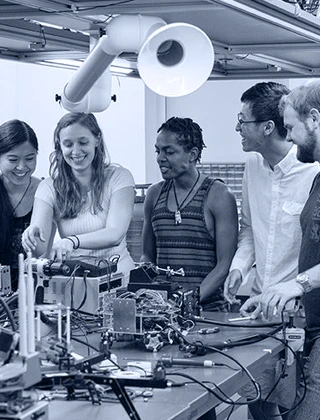
Creating and managing innovative student clubs
Team leaders develop agile management and coordination skills by leading innovation initiatives on campus.

Organizing cultural and varsity sporting events
Arts festivals and athletics offer unique opportunities to strengthen cohesion and teamwork.

Participating in impactful community projects
Volunteering in humanitarian or sustainability projects helps develop empathy and a concrete sense of social impact.
Settling in for academic success
Choosing secure accommodation as a key to student well-being
Quality accommodation plays a central role in well-being, providing an environment conducive to study and relaxation. Proximity to lecture halls, libraries, and public transport simplifies daily life, reducing commuting stress. A furnished and secure space promotes concentration, rest, and mental health, while living in a university residence or shared flat fosters interaction. By combining independence, 24/7 security, and socialization opportunities, housing options become assets for academic success while enjoying student life.

The academic and personal support offered by the faculty
Comprehensive Student support
Career guidance and professional planning for students
Coaching from career counselors helps candidates clarify their academic and professional goals. Through personalized assessments, applicants identify programs suited to their skills, explore emerging career paths, and plan academic steps. These placement services offer support with job application preparation, resume and portfolio writing, plus finding graduate internships or international opportunities. By combining strategic guidance and practical recruitment support, counselors help build professional confidence and maximize alumni chances of future success.
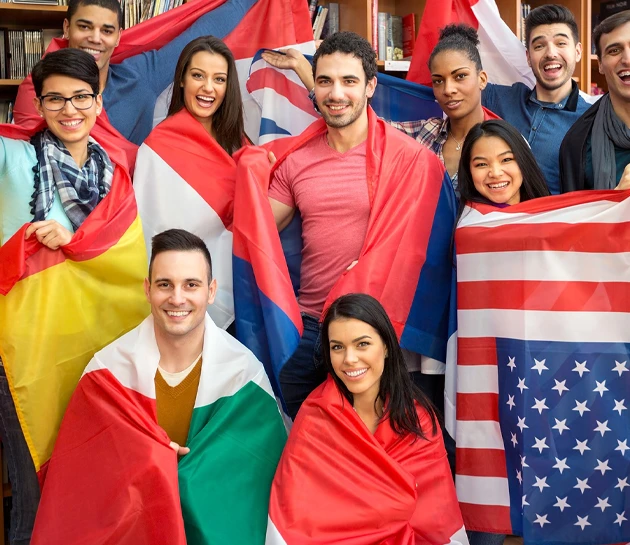
Global mobility opportunities
Skills, academic exchanges, and careers on an international scale
Participating in international study programs allows undergraduates to develop skills like intercultural communication, adaptability, and critical thinking. Student mobility and dual degrees abroad offer direct exposure to different cultures, diverse working methods, and professional environments, enriching their worldview. These experiences enhance employability, preparing for careers in diplomacy, NGOs, global trade, or international development. By combining academic learning with cultural immersion, graduates acquire a global profile capable of meeting the challenges of an interconnected world.
Covering annual university fees
Securing your studies through flexible funding sources
Merit-based Scholarships and grants
Endowed scholarships and grants allow applicants to significantly reduce the cost of studies. They are awarded based on academic performance, social circumstances, or athletic skills, and can partially or fully cover enrollment fees.
Government Student loans
Bank loans offer a solution for financing studies while spreading repayments over years after graduation. These financial aids are offered at preferential rates, allowing scholars to focus on coursework without immediate financial stress.
Student work or campus jobs
Working part-time allows learners to generate income to cover living and study expenses. These on-campus jobs provide initial professional experience and develop organizational skills useful for the future.
Choosing the right health insurance for peace of mind
Innovative Academic sectors
Major research fields for scientific understanding and innovation
Applied Natural and physical sciences
Fundamental physics fields study natural phenomena and the mathematical laws that govern the universe.
Medical and public health sciences
This sector aims to improve human health through clinical trials, biomedical engineering, and public health research.
Industrial Engineering and technology
This sector focuses on technical certification, development, and optimization of industrial solutions.